
Edge data centers
Add behind-the-meter capacity for the next racks where the existing grid connection and equipment space limit expansion. Designed as 200 kW units that can operate in parallel.
Edge inference · Distributed computingApplications
More capacity at the site you already have. Compact behind-the-meter power generation for expanding edge data centers, electric fleets and industrial operations.

More racks, chargers or production can outgrow your grid connection, and the utility’s transformer or service upgrade runs on its own timeline. Finding room for more power equipment can be a constraint too.
That is power anxiety: uncertainty about expanding, handling the next peak and planning for interruptions. DOR is designed to add capacity alongside your existing supply, around your load, space and fuel options.
Explore grid connection constraintsDesigned for sites where power and space constrain growth.
Add behind-the-meter capacity for the next racks where the existing grid connection and equipment space limit expansion. Designed as 200 kW units that can operate in parallel.
Edge inference · Distributed computing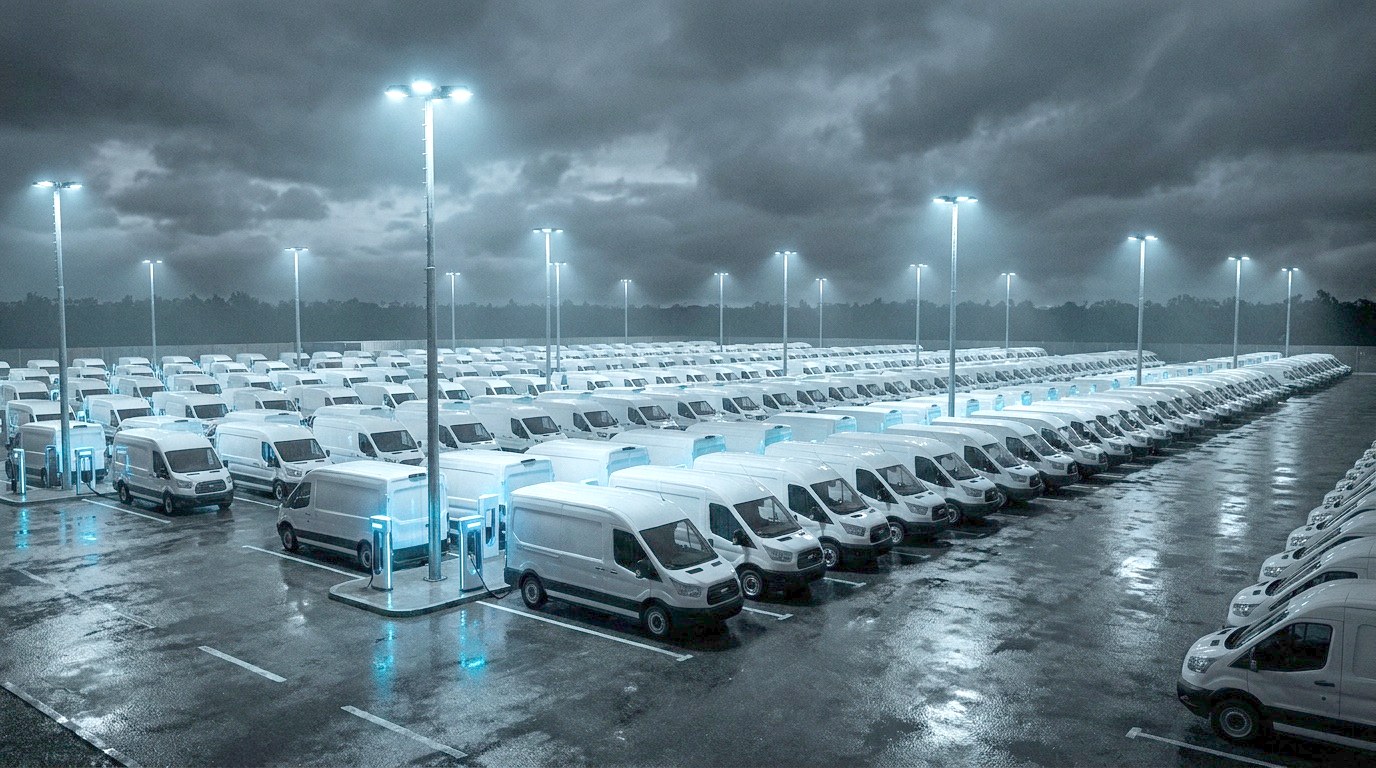
Plan additional capacity as more vehicles and chargers join an existing depot.
Fleet charging · Depot electrification
Support additional equipment and production where the grid connection constrains growth.
Manufacturing · Commercial operationsSite fit depends on permitting, fuel supply, interconnection, and engineering review.
Further applications under consideration
PortsDefenseOil & GasStart with the power already available and the demand you need to add.

Peak demand, operating hours, and planned growth.
Space, fuel, electrical connections, and permits.
Engineering, approvals, and installation planning.
For EPCs and system installers
Evaluate compact power for your next project, then plan how to support the site as its needs change.
Bring the available capacity, load profile and installation constraints.
Planned Power OS insights help flag a capacity addition, service visit or parts requirement.
The installer reviews the recommendation and coordinates the next step with the operator.
Immedia develops the DOR and Power OS. The installer defines site integration and installation work; the operator defines the load and operating needs. Service delivery, responsibilities and coverage are agreed for each project.
Discuss an installer partnershipThree planned ways to match ownership and operating costs to your site.
Power OS and an ongoing service relationship are planned across all three models. Software access, maintenance coverage, delivery responsibilities and any separate fees will be agreed for each site.
| Planned structure | Ownership & operation | Payment | Fuel & support |
|---|---|---|---|
| Equipment saleDiscuss a purchase | Customer ownership and operation. | One-time equipment purchase. | Customer-sourced fuel. Software and service scope agreed separately. |
| LeaseDiscuss a lease | Immedia Power or financing-partner ownership; customer operation. | Recurring equipment payments over an agreed term. | Customer-sourced fuel. Monitoring and maintenance coverage agreed in the lease. |
| Power-as-a-ServiceDiscuss a power service | Planned provider ownership and operation. | Payment per kilowatt-hour delivered. | Fuel, monitoring and maintenance responsibilities defined in the service agreement. |
Bring your current grid capacity, additional demand and site constraints.
Discuss your site